Rakhi Thali Decoration Ideas: How to Decorate Puja Thali in 2026

Discover beautiful Rakhi thali decoration ideas for 2026 with a traditional floral puja setup. Learn how to decorate your Raksha Bandhan thali with diya, flowers, tilak, and spiritual elements for a meaningful celebration.
Rakhi Thali Decoration Ideas: How to Decorate a Spiritual Puja Thali in 2026
Raksha Bandhan is more than a celebration—it is a sacred tradition that reflects love, protection, blessings, and the emotional bond shared between siblings. Every year, sisters prepare for this special occasion with meaningful rituals, and one of the most important elements of the ceremony is the Rakhi Puja Thali.
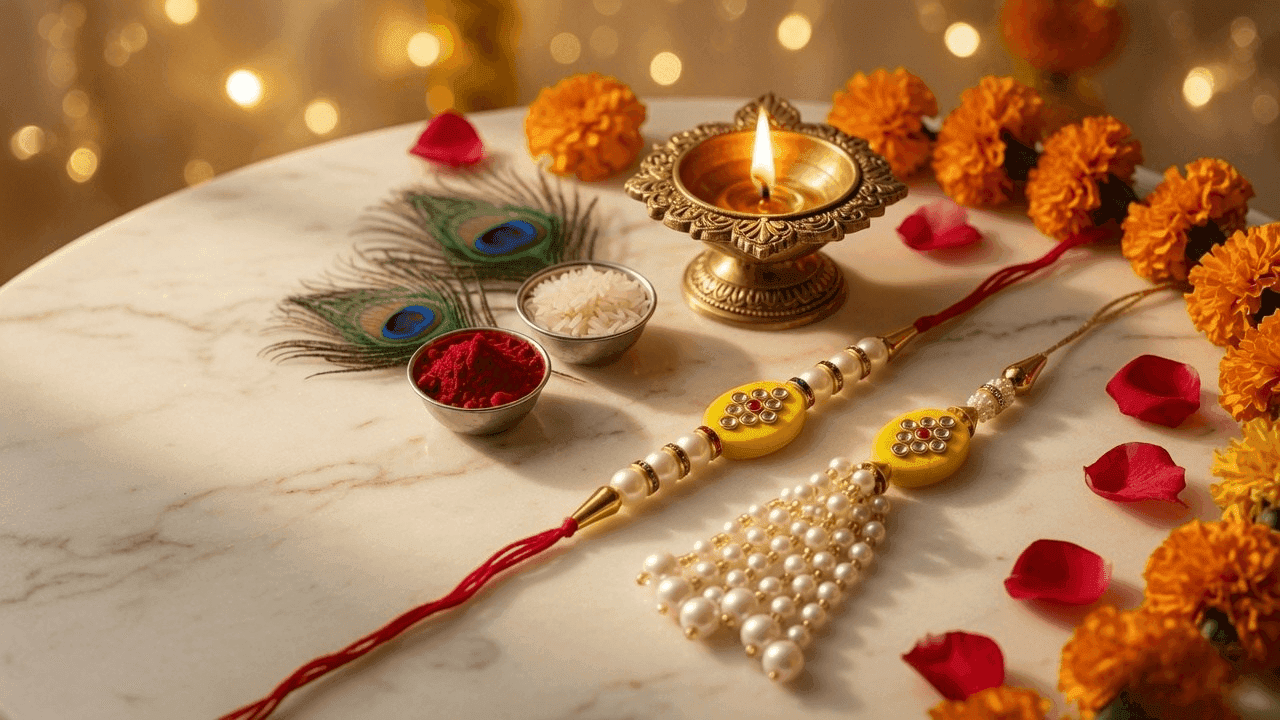
A beautifully decorated Rakhi thali is not only a festive detail but also a symbol of devotion and positive energy. In 2026, one timeless decoration style continues to stand out: Traditional Floral Rakhi Thali Decoration with Diya and Sacred Elements.
This elegant and spiritual style creates a peaceful festive atmosphere while keeping the focus on the ritual itself.
Why Rakhi Thali Decoration Matters Spiritually
In Hindu tradition, the puja thali represents purity, blessings, and gratitude. Before tying Rakhi, the sister performs a small ritual using the thali to pray for her brother’s health, happiness, success, and protection.
Every item placed inside the thali carries symbolic meaning.
Rakhi represents the promise of love and protection.
Diya symbolizes light, positivity, and divine blessings.
Kumkum (Tilak) represents prosperity and auspicious beginnings.
Rice (Akshat) symbolizes abundance and completeness.
Flowers represent purity and devotion.
Sweets symbolize joy and celebration.
When arranged thoughtfully, these elements transform a simple tray into a meaningful spiritual offering.
Traditional Floral Rakhi Thali Decoration (2026 Spiritual Theme)
This decoration style combines fresh flowers, warm festive colors, and traditional puja elements to create an elegant and sacred appearance.
The goal is to keep the thali beautiful while preserving its spiritual simplicity.
Materials Required
Prepare the following items before decorating:
One round metal or decorative puja thali
Fresh marigold flowers
Rose petals
One diya
Small bowls for kumkum and rice
Rakhi
Decorative lace (optional)
Sweets
Small flower leaves for finishing
Choose fresh flowers because they naturally create a calm and festive feeling.
Step 1: Prepare and Clean the Thali
Begin by cleaning the thali properly.
Traditionally, cleaning the puja plate before decoration symbolizes removing negative energy and preparing the space for blessings.
Dry the thali completely and place it on a clean surface.
Step 2: Create a Floral Base
Take fresh marigold petals and spread them evenly around the outer edge of the thali.
Leave the center area open.
Add a layer of rose petals over selected areas to create contrast and softness.
Avoid overcrowding the plate.
The decoration should enhance the puja—not hide it.
Step 3: Place the Diya in the Center
The diya becomes the spiritual center of the Rakhi thali.
Place one diya exactly in the middle.
The diya symbolizes:
Wisdom
Divine energy
Protection
Positivity
Lighting the diya before the ritual is believed to create a sacred atmosphere.
Step 4: Arrange Kumkum and Rice Beautifully
Place two small bowls near the diya.
One bowl should contain:
Kumkum
The second bowl should contain:
Rice
These are used during the tilak ceremony.
Keep enough space so they remain easy to access during the ritual.
Step 5: Place Rakhi as the Main Element
Now carefully place the Rakhi in front of the diya.
This is the focal point of the entire decoration.
Arrange the Rakhi neatly so it becomes visible without overlapping other puja items.
The Rakhi should appear intentional and respectfully placed.
Step 6: Add Sweets for Celebration
Place one or two sweets on the side of the thali.
Sweets symbolize:
Happiness
Celebration
Good wishes
Do not overfill the plate.
Minimal and balanced arrangements often look more elegant.
Step 7: Final Floral Detailing
Complete the decoration by adding:
A few rose petals
Small leaf accents
Gentle symmetry around the thali
At this stage, your Rakhi thali should feel festive yet peaceful.
Spiritual Meaning Behind This Decoration Style
This traditional floral Rakhi thali reflects the true meaning of Raksha Bandhan.
Flowers bring purity.
The diya brings divine light.
Tilak invites blessings.
The Rakhi represents emotional connection.
Together, they create a sacred ritual space that celebrates family, gratitude, and protection.
Tips to Make Your Rakhi Thali Look Premium
Use fresh flowers instead of artificial ones.
Keep color combinations limited.
Leave empty space for a clean appearance.
Use one statement diya.
Focus on balance rather than excess decoration.
Final Thoughts
A Rakhi thali does not need excessive decoration to feel beautiful.
The most meaningful Rakhi celebrations are often created with simple flowers, a glowing diya, sacred traditions, and genuine emotions.
This Raksha Bandhan 2026, decorate your puja thali with intention and create a ritual that feels elegant, spiritual, and memorable for your family.
Celebrate not just with Rakhi—but with blessings, tradition, and love.
About the Author
Pandit Rajeev Bhardwaj
Spiritual writer and content creator
Rajeev Bhardwaj is a spiritual writer and content creator passionate about sharing devotional teachings, Hindu scriptures, and motivational insights. Through his articles, he aims to inspire readers with timeless wisdom, positive thinking, and practical guidance for leading a meaningful and balanced life.
Frequently Asked Questions
Which flower is best for Rakhi thali decoration?
Marigold and rose flowers are considered traditional and auspicious.
Why is diya placed in the center of Rakhi thali?
The diya symbolizes divine light and positive energy.
Can Rakhi thali decoration be simple?
Yes, simple floral decoration often creates the most elegant and spiritual appearance.
What is the most traditional Rakhi thali decoration style?
A floral thali with diya, kumkum, rice, and Rakhi remains the most traditional style.
Comments (0)
Please log in to post comments and replies.