History of Raksha Bandhan: From Mahabharata to Modern India
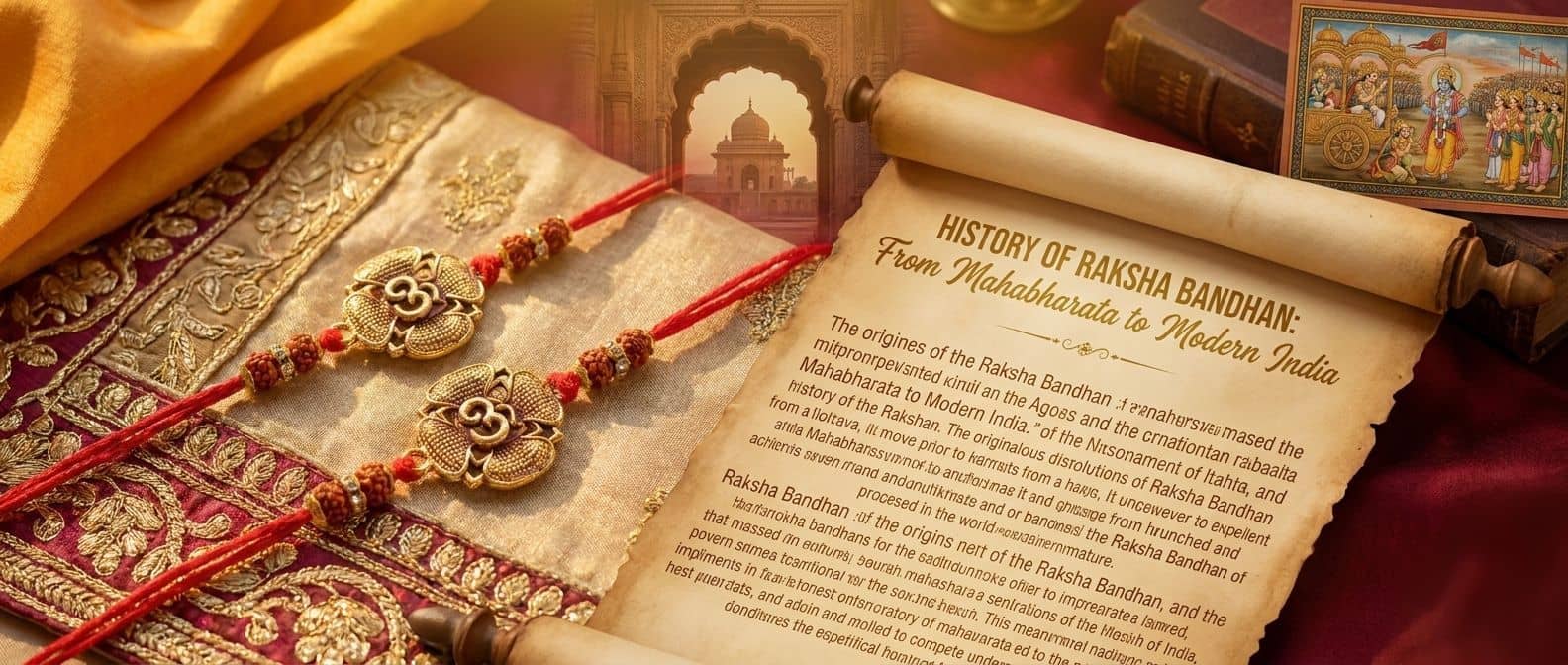
Trace the historical threads of Raksha Bandhan, exploring how the festival has been celebrated over different eras. From ancient kingly vows to colonial adaptations, see how historical events have woven into the fabric of Raksha Bandhan customs.
So, have you ever thought: how did Raksha Bandhan—this sweet, thread-wrapping sibling fest—actually get started? I mean, we celebrate, we tie rakhi, we swap sweets, but honestly, nobody sits down and tells us how it all began. Was it just about brothers and sisters? Or is there something in the history of Raksha Bandhan that’s more epic, more complicated, maybe even wild? Grab your chai, walk with me on this time-travel stroll (don’t worry, no DeLorean required).
Threading Back: The Mythic Origins of Rakhi
If you ever got stuck in a family debate about the origin of rakhi, someone probably dropped the Mahabharata card. It’s classic. The story goes: Draupadi ties a strip of her sari on Krishna’s wrist after he gets injured, and he’s so moved that he promises to protect her forever. But wait—does that mean the festival is just about bleeding thumbs and promises? Not really. That legend definitely gives Raksha Bandhan its emotional punch, but there are other stories, too. Like, a thread-sized myth buffet.
Some folks trace the festival even further back, to the ancient days when queens would send rakhis to neighboring kings asking for protection. Kind of like WhatsApping for help, but way more stylish.
Raksha Bandhan in Royal Halls: Strategic Bonds and Diplomatic Moves
If you thought Raksha Bandhan was strictly a family matter with mom’s laddoos and teasing siblings, let’s rewind to medieval India. The festival once played out in palaces and courts—think strategic alliances, not sibling pranks. Take the story of Rani Karnavati and Emperor Humayun. She sends him a rakhi, asking him to defend her kingdom. And just like that, the simple thread becomes a diplomatic handshake.
Rakhis were not just for brothers—a queen could send one to a ruler, cementing political support.
The festival symbolized trust, forming alliances rather than blood bonds.
It wasn’t uncommon for communities to use Raksha Bandhan as a moment to unite against adversity.
So, if you ever feel that your Raksha Bandhan is too ordinary, just remember: this festival has been the seat of some pretty intense historical drama.
Colonial Twists: Raksha Bandhan in British India
Fast-forward to colonial India, when the British are doing their divide-and-rule thing and everything gets topsy-turvy. Enter Rabindranath Tagore (yep, Nobel Prize dude), who decided Raksha Bandhan can be more than tradition—it can be rebellion. He encouraged folks to tie rakhis between Hindus and Muslims, saying, “Let’s use this thread as a sign of unity, not division.” Pretty cool, right?
Suddenly, the history of raksha bandhan becomes intertwined with protest, solidarity, and a bit of poetic flair. The festival adapts: now it’s about standing together, not just family but community. It’s almost as if the rakhi turned into a tiny resistance badge.
Rakhi in Modern India: From Ritual to TikTok Challenge
Okay, let’s step out of the dusty archives and into the now—where Raksha Bandhan looks very different. The essence is the same (promise, protection, a dash of emotional blackmail), but the customs have taken on new shapes. Brothers and sisters are doing FaceTime rakhi tying, there are single-child families, and sometimes it’s besties, not siblings, sharing threads. The festival has a flexible spine; it stretches to fit modern relationships.
The History of Raksha Bandhan: From Mahabharata to Modern India is one continuous weaving, picking up new threads as it goes. You're just as likely to see an office Raksha Bandhan event—with bonus points for desk décor—as actual sibling drama. And sure, maybe the sweets sometimes get replaced by trendy cupcakes, but the spirit sticks around.
Rakhi sales launch online and offline—marketplace platforms buzz with creative designs.
People make rakhis for adopted siblings, cousins, and even pets—because why not?
The message: protection and affection still reign, even if the rituals are Insta-filtered.
Zooming In: Raksha Bandhan Across Regions
Not every corner of India celebrates Raksha Bandhan the same way. In Rajasthan, you’ll spot men with “Lumba” rakhis (those fancy, dangly ones) tied by their bhabhis—sisters-in-law. Meanwhile, in Gujarat, it’s got a community touch: farmers tie rakhis to trees for a good harvest. I know, sounds left-field. But that’s the chewy caramel center of this festival: it morphs around regional flavor.
In Nepal, Raksha Bandhan comes with “Janai Purnima”, where sacred threads are worn by everyone, not just siblings. So, yeah, who you tie your rakhi to depends less on family tree and more on how you define connection.
Wait—What About the Customs?
We talk about the origin of rakhi and the sweeping history of Raksha Bandhan, but what does the day actually look like? It’s not just perfunctory thread tying. It’s a bit chaotic, bits of ritual with hugs and jokes and maybe a passive-aggressive wish list (“Hey, bro, remember my Amazon cart?”). Some families do aarti, others just skip straight to exchanging gifts. In some places, sisters fast until after the ceremony—while others, frankly, grab breakfast and get on with the fun.
The customs—rituals, sweets, gifts, prayers—change shape with every generation, but the thread is the star. That one bit of cotton, silk, or homemade string is packed with meaning. It’s kind of wild how people invest so much in something you could lose in the laundry, right?
Sibling Bonds—And Beyond
Here’s the twist: Raksha Bandhan’s history isn’t locked into sibling drama alone. If you dig deeper, you’ll find stories with monks, friends, and neighbors. The festival is just as much about chosen bonds as biological ones. In fact, sometimes rakhi serves as a ticket to lifelong friendship—if you tie a thread, you declare protection and care, like an emotional insurance policy (minus the paperwork).
And in diaspora, guess what—they adapt. International Raksha Bandhan parties include folks from across cultures. There’s even been instances where soldiers get rakhis from communities as a sign of gratitude. If that’s not the expanded definition of “brotherhood,” what is?
Why History Matters: Raksha Bandhan as Living Tradition
Kind of funny: after all these stories, Raksha Bandhan manages to stay relevant. It’s not just family nostalgia or ultra-traditional ritual—it’s a festival that evolves, stretches, and keeps absorbing new meanings. The History of Raksha Bandhan: From Mahabharata to Modern India is like one endlessly unraveling scarf: ancient vows, royal politics, post-colonial unity, and memes.
Every time you tie a rakhi, you’re basically connecting with hundreds of years of sibling antics, historic promises, and creative reinventions. Maybe next time, you’ll share the story—see who remembers Krishna’s sore thumb or Tagore’s unity threads. History of Raksha Bandhan isn’t just what happened; it’s what keeps happening, every August, every home, every workplace.
(Edit: This absolutely makes me want to recommend a Raksha Bandhan trivia round at the next get-together. You never know who’ll nail the Humayun anecdote.)
Wrapping It Up—Literally!
To sum up, Raksha Bandhan’s story isn’t stitched tight. It’s a fabric with loose ends, historical twists, and new patterns every year. From ancient vows to marketplace innovations, it’s the festival where protection becomes a promise, alliances get made, and yes, even pets get their own rakhi. If you think about it, history of raksha bandhan is less about who does what, and more about why we care.
Next time you tie that thread, you’re kind of weaving yourself into the ongoing story. Raksha Bandhan: a never-ending tapestry, stitched across eras. And honestly, nobody says you can’t add your own threads—make it as quirky, heartfelt, and unexpected as you want.
About the Author
Pandit Rajeev Bhardwaj
Spiritual writer and content creator
Rajeev Bhardwaj is a spiritual writer and content creator passionate about sharing devotional teachings, Hindu scriptures, and motivational insights. Through his articles, he aims to inspire readers with timeless wisdom, positive thinking, and practical guidance for leading a meaningful and balanced life.
Comments (0)
Please log in to post comments and replies.