What is Bhadra Kaal? Why You Must Avoid It on Raksha Bandhan
This blog post offers a comprehensive explanation of what Bhadra Kaal is and its relevance in safeguarding traditions. Learn how awareness of this time can help in upholding the purity and joy of Raksha Bandhan celebrations.
Ever found yourself halfway into a lovely festival morning, getting all the prep ready for Raksha Bandhan, and suddenly, one of your older relatives drops a little knowledge bomb: “Don't tie the rakhi right now, beta—Bhadra Kaal hai!” You pause—you’re holding a fancy rakhi, your brother’s suspiciously eyeing the sweets, and now you’re stuck. Bhadra… what? Sigh. Festivals are meant to be joyful, not confusing mythology quizzes!
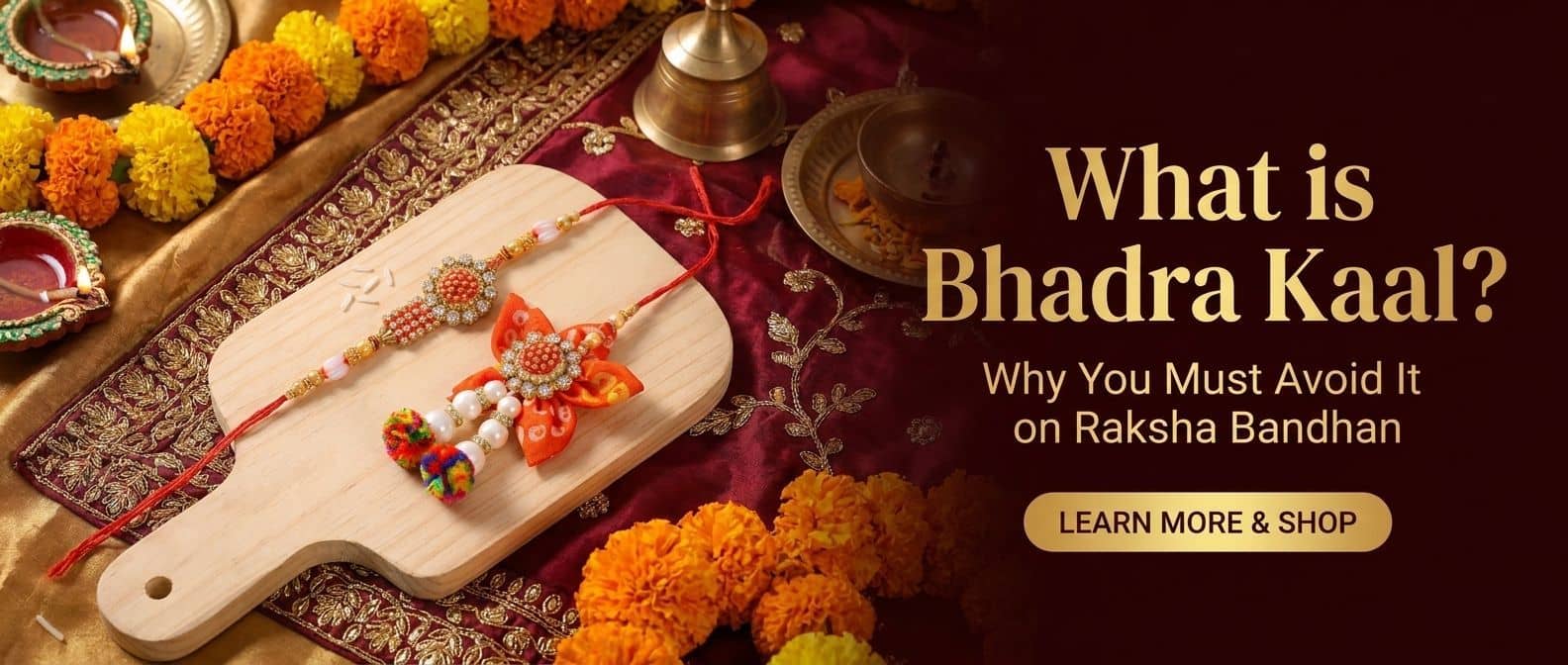
Okay, Seriously: What Is Bhadra Kaal?
Think of Bhadra Kaal kind of like the “bad timing” of the traditional Hindu calendar. But—wait—it’s a bit deeper than just “oops, not now.” Bhadra Kaal is a specific period (tracked according to the Panchang, or the Hindu almanac) believed to be inauspicious for starting anything fresh, especially lovely, heartwarming rituals like the Raksha Bandhan ceremony.
Now, picture it: just as you wouldn’t schedule your best friend’s surprise party during her work meeting, you might not want to tie the sacred rakhi during Bhadra Kaal. Timing isn’t just about logistics. It’s about vibes, intentions, and tradition.
Diving A Little Deeper: Where Did This Rule Come From?
Folklore time! So, in Hindu mythology, Bhadra is depicted as the daughter of Lord Surya (the Sun) and Chhaya. She has a pretty famous sibling—Shani (the god of karma and discipline). Legends say Bhadra, with her intense disposition, could unintentionally (well, sometimes intentionally) spread turmoil during her “active period”—yep, that’s the Bhadra Kaal we’re talking about. During this slot, she’s not exactly in a cheerful, supportive mood.
Basically, tying a rakhi when Bhadra’s out and about? Folk wisdom says it’s basically inviting a hiccup into your celebration—kinda like organizing a pool party during monsoon. You can do it, but, wow, just... why?
Bhadra Kaal on Raksha Bandhan: Why Not Just Ignore It?
I get it—modern life is busy. Ancient time slots might sound quirky, or maybe even obsolete. But here’s where tradition gets real: Raksha Bandhan isn’t just about the string-tied-around-a-wrist, right? It’s a ritual of bonding, of trust, of intention.
When elders insist on side-stepping Bhadra Kaal, it’s really their way of saying, “Let’s infuse this moment with the best energy possible.” And if you, like me, tend to hover somewhere between pragmatic and a little superstitious, it just honestly adds another layer of love—like following a family recipe exactly, down to the last pinch of haldi.
How Do You Know When Bhadra Kaal Is?
Great question! Bhadra Kaal timings are not like “Friday the 13th”—they’re not calendar fixed, and they move every year. Usually, Bhadra spans a few hours during the daylight, according to the lunar calendar and cosmic calculations—big ol’ celestial event planners, basically.
For festivals like Raksha Bandhan, families check the Panchang, or those handy online muhurat calculators (yes, even astrology has gone digital, shocker). The idea is simple: wait for Bhadra Kaal to end, and then cue the rakhis, mithai, and happy emojis.
Always cross-check Bhadra timings: Google probably knows, but nothing beats a trusty grandma with a Panchang.
Plan the ceremony outside Bhadra Kaal: Early mornings and evenings? Usually safe bets.
If it can’t be avoided: A tiny prayer, an apology to tradition, and simply more hugs never hurt!
What If You Accidentally Tie Rakhi During Bhadra Kaal?
First—exhale. You didn’t just unleash some cosmic mistake or invite thunder and lightning. The belief around Bhadra Kaal is more about infusing positive intent rather than unleashing doom. We all stumble sometimes; the world keeps spinning, and bhaiya’s wrist will be just fine.
Just treat it as an “oh well, live and learn” situation. Many will quietly do a small prayer, double down on good wishes, and, if anything, swap a few extra sweets.
What is Bhadra Kaal? Why You Must Avoid It on Raksha Bandhan—The Heart of the Matter
So, since you might see the phrase “What is Bhadra Kaal? Why You Must Avoid It On Raksha Bandhan” pop up in family WhatsApp groups (seriously, how do these elders type so fast?), let’s recap for future you:
Bhadra Kaal = cosmic red signal for auspicious celebrations.
During this time, mythology and tradition suggest holding off on new beginnings.
Not avoiding Bhadra Kaal? It’s not catastrophic, but some believe it can dilute the goodness or invite petty challenges.
Avoiding it is seen as a small gesture of respect for customs and pure intention.
Why Not Just Make Your Own Rules?
Love the rebel vibe, honestly. And yes, cultural rituals evolve. But, Raksha Bandhan is woven not just with thread, but decades (sometimes centuries) of meaning. Skipping Bhadra Kaal isn’t about perfection or “following blindly”—it’s about nourishing bonds with a dash of mindfulness. It’s a ritual with an internal compass, asking “Is my heart (and calendar) in the right place?”
So, even if you’re all for forging your path, pausing for tradition when tying the rakhi is kinda like waiting for the traffic light to turn green. Sure, you could speed—just, maybe savor the moment instead.
Bhadra Kaal & the Marketplace: Why The Fuss?
Funny thing: Over on any bustling website marketplace showcasing rakhis and puja thalis, you’ll notice they double-down on sharing Bhadra Kaal timings. Turns out, it’s not just you or your family who want to avoid awkward, ill-timed rituals—there are plenty of others out there making sure those meaningful moments don’t get shuffled into Bhadra’s “no-go zone.”
It’s practically festival internet etiquette: Vendors, marketplaces, even WhatsApp forwards, all include reminders about Bhadra Kaal because, at the end of the day, nobody wants their best-selling rakhi to arrive and get used at the “wrong” hour (…and field grumbles from disappointed siblings, let’s be real).
Wrapping Up—But Not the Rakhi Yet!
Quick edit—rakhis can obviously go on wrists if you’re way past Bhadra Kaal. The essence is: embrace awareness, not stress. You don’t have to get a PhD in Panchang reading; a simple check before the celebration, like you’d check the weather before a big picnic, goes a long way.
So, next Raksha Bandhan, when someone mentions “Bhadra Kaal,” you’re armed with actual facts—and maybe a little story to pass around the chai mugs. Tradition stays strong, the celebration flows, and your bonds? Untouched, pure, and—if you ask me—even a little bit blessed.
There you have it: What is Bhadra Kaal? Why You Must Avoid It on Raksha Bandhan—it’s not just about “superstition,” but about layering meaning and intention into a festival that’s all about love. So, add that to your mental festival cheat sheet, and hey, pass the laddoos while you’re at it!
About the Author
Pandit Rajeev Bhardwaj
Spiritual writer and content creator
Rajeev Bhardwaj is a spiritual writer and content creator passionate about sharing devotional teachings, Hindu scriptures, and motivational insights. Through his articles, he aims to inspire readers with timeless wisdom, positive thinking, and practical guidance for leading a meaningful and balanced life.
Frequently Asked Questions
What is Bhadra Kaal in Raksha Bandhan?
Bhadra Kaal is considered an inauspicious time period in the Hindu calendar during which important rituals like tying rakhi are traditionally avoided.
Why should Rakhi not be tied during Bhadra Kaal?
According to Hindu beliefs and traditions, performing Raksha Bandhan rituals during Bhadra Kaal may reduce the positivity and auspiciousness associated with the festival.
Who is Bhadra in Hindu mythology?
Bhadra is believed to be the daughter of Lord Surya and Chhaya, and the sister of Shani Dev. Mythology describes her active period as spiritually intense and unsuitable for auspicious ceremonies.
How can I check the Bhadra Kaal timing for Raksha Bandhan?
You can check Bhadra Kaal timings through a Panchang, astrology websites, temple calendars, or trusted online muhurat calculators.
What happens if Rakhi is tied during Bhadra Kaal accidentally?
There is no need to panic. Many people simply offer a small prayer and continue the celebration with positive intentions and blessings.
Is avoiding Bhadra Kaal mandatory for Raksha Bandhan?
Avoiding Bhadra Kaal is a traditional practice followed for auspiciousness, but the emotional bond, love, and intention behind Raksha Bandhan remain most important.
Does Bhadra Kaal occur every year on Raksha Bandhan?
Yes, Bhadra Kaal timings are calculated annually based on the lunar calendar, but the duration and timing change every year.
Why do families still follow Bhadra Kaal traditions today?
Many families continue following Bhadra Kaal traditions to honor cultural beliefs, maintain ritual purity, and preserve the spiritual significance of Raksha Bandhan.
Comments (0)
Please log in to post comments and replies.